

Many people who move into over 55 communities later say they wish they had explored the idea sooner. Having time to research, visit developments and think things through allows the decision to remain exactly that: their decision. For many adult children, the idea arrives long before the conversation does.
Perhaps you’ve noticed your parent struggling with jobs around the house that once seemed straightforward. Maybe they mention how expensive it is to heat rooms they rarely use. Or perhaps you’re simply aware that they spend a lot of time alone and would benefit from being part of a more connected community.
Whatever the reason, bringing up the subject of downsizing can feel uncomfortable.
Many people worry that discussing retirement living will be interpreted as questioning their parent’s independence or suggesting they are no longer capable of managing on their own. In reality, the most successful conversations are rarely about age at all. They are about lifestyle, choice and creating a future that feels easier and more enjoyable.
If you’re considering raising the topic, here are some ways to approach it constructively.
Start the Conversation Before It Becomes Necessary
One of the biggest mistakes families make is waiting until a problem forces a decision.
A fall, an illness, an expensive repair or a period of isolation can suddenly make a move feel urgent. When decisions have to be made quickly, they often feel more stressful for everyone involved.
Instead, try to approach the conversation while your parent is still active, independent and able to consider their options carefully.
Understand Why People Often Resist Initially
It’s important to remember that resistance is not always resistance to moving. More often, it’s resistance to what the move represents.
A family home may contain decades of memories, so leaving can feel difficult and emotional, even when the practical reasons for moving make perfect sense.
For this reason, it helps to listen more than you speak. Rather than focusing immediately on solutions, ask questions:
How do they feel about maintaining the house?
Do they still use every room?
Are there things they would change if they could?
Could they be closer to local cafes, shops and amenities?
Many people who eventually choose over 55 communities have already started questioning whether their current home is still the right fit for their lifestyle, so these conversations often reveal concerns your parent may already have thought about themselves.
Focus on Lifestyle, Not Limitations
Most people do not want to feel as though decisions are being made because of what they can no longer do, so one of the quickest ways to create defensiveness is to make the conversation about ageing.
Instead, focus on what could be gained:
- More time for hobbies.
- Less time spent maintaining a property.
- Opportunities to meet new people.
- The ability to travel without worrying about leaving a large home empty.
- A more manageable space that still allows family and friends to visit comfortably.
The appeal of over 55 communities is often less about needing support and more about gaining freedom from responsibilities that no longer bring enjoyment.
Explore the Options Together
Many people have outdated assumptions about retirement living. They imagine small apartments, limited independence or environments that don’t reflect how they want to live.
That’s why visiting developments can be so valuable.
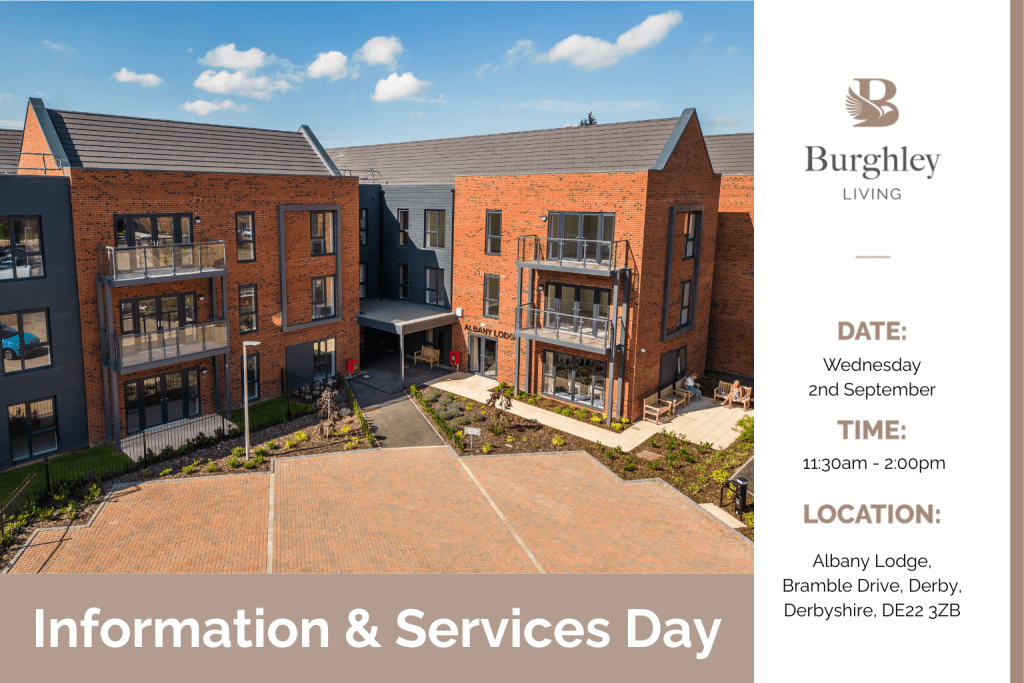
At Albany Lodge in Derby and Royles Lodge in Thornton-Cleveleys, prospective homeowners and tenants often discover something very different from what they expected. Spacious apartments, welcoming communal spaces and active social opportunities all help people understand what modern retirement living can look like.
For families exploring over 55 communities, seeing the environment first-hand often changes the conversation completely, so that what once felt theoretical now becomes tangible.
Make It a Joint Exploration
Nobody wants to feel like decisions are being made for them.
Rather than presenting retirement living as the answer, present it as an option worth exploring.
Look at websites together. Attend open days and visit developments, where you will have plenty of opportunity to ask questions. Most importantly, allow your parent to take the lead.
The best positive outcomes happen when people feel fully involved throughout the process. This creates confidence and ensures the move reflects their priorities, not somebody else’s.
Many families who explore over 55 communities together find that concerns begin to disappear once everyone has a clearer understanding of what’s available.
Remember That Independence Matters
One common misconception is that retirement living means giving up independence but in reality, the opposite is often true.
At developments such as Albany Lodge and Royles Lodge, residents have their own private homes and complete control over how they spend their time. They can be as social or as private as they choose.
The difference is that they also benefit from a welcoming community, a Lodge Manager who can assist with day-to-day queries, and the reassurance that help is nearby if needed.
This balance is one of the reasons why over 55 communities continue to grow in popularity among people looking to future-proof their lifestyle without compromising their independence.
The Goal Isn’t to Leave a Home Behind
Ultimately, the conversation about downsizing should never be about what someone is losing. It should be about what they might gain. For many families considering over 55 communities, the conversation becomes much easier once everyone stops focusing on the move itself and starts focusing on the lifestyle it could create.
Because when approached with care, respect and plenty of time, downsizing is rarely about leaving something behind. It’s about making space for the next chapter to begin.